If you work in manufacturing, warehousing, logistics or distribution you have probably seen pallets covered in a clear stretchable plastic film. But what is pallet wrap and why is it so widely used?
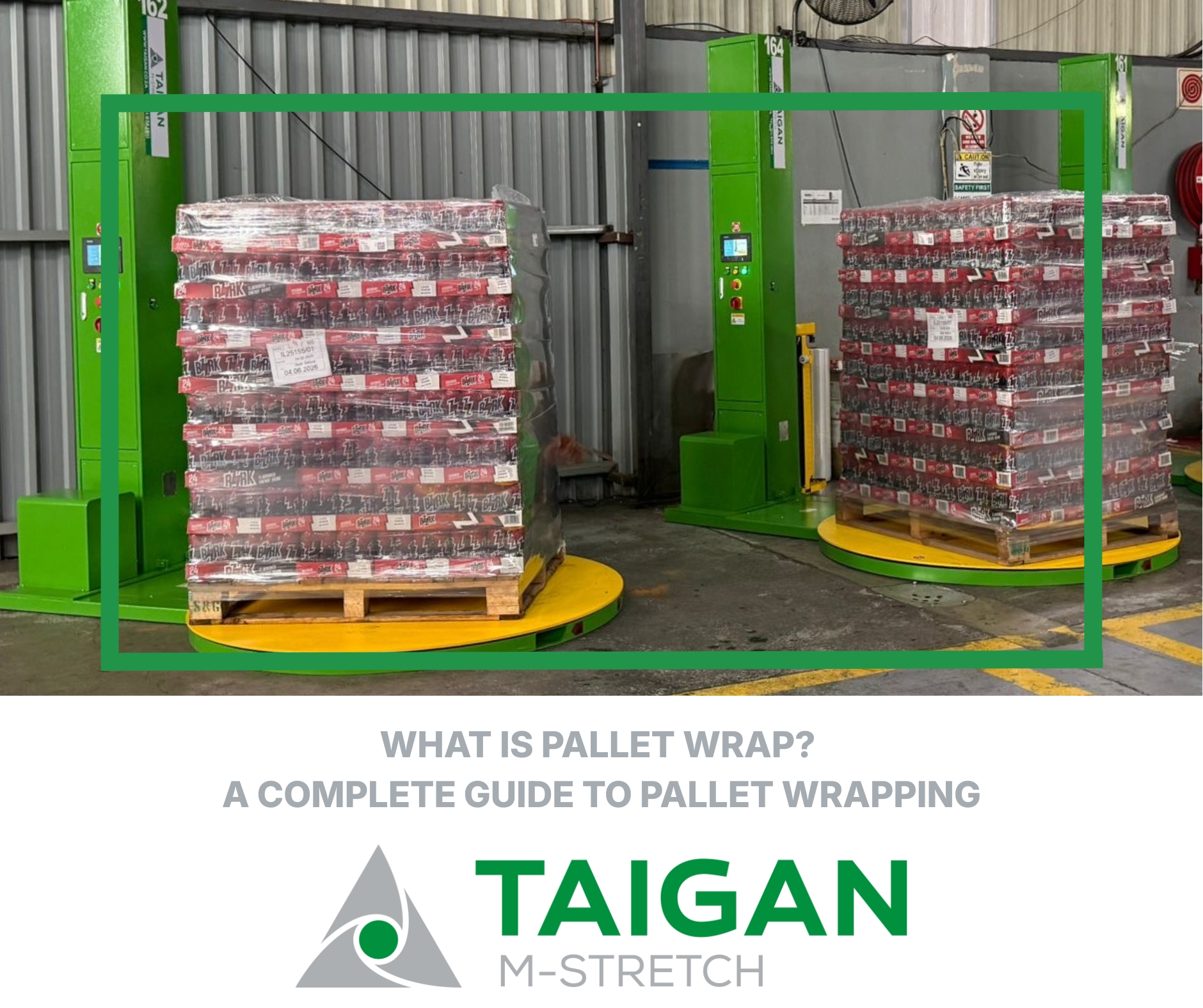
Pallet wrap is a stretchable plastic packaging material used to secure products together on a pallet. It helps keep cartons, boxes and other goods contained as a single load during storage, handling and transportation.
Although pallet wrap can look simple, choosing and applying the right film involves considerably more than simply wrapping plastic around a pallet. Film construction, load configuration, wrapping technique, equipment and operator training can all influence the final result.
For businesses handling large numbers of pallets every day, understanding pallet wrap can help improve load stability and packaging efficiency while reducing unnecessary material usage.
What Is Pallet Wrap Used For?
The primary purpose of pallet wrap is load containment.
When products are stacked on a pallet they can move independently of one another. During transportation and handling these movements can become more pronounced.
What Is Pallet Wrap? Pallet wrap helps hold the products together by creating tension around the load.
This can help:
- Keep products positioned on the pallet
- Improve load stability
- Reduce product movement
- Protect goods during transportation
- Make pallets easier to handle
- Support more consistent warehouse operations
The exact amount and type of film required depends on the load and the wrapping application.
What Is Pallet Wrap? Is Pallet Wrap the Same as Stretch Film?
In most packaging applications the terms pallet wrap and stretch film are used interchangeably.
Stretch film describes the material based on its ability to stretch around a load while pallet wrap describes one of its most common applications.
Stretch film is generally manufactured from linear low-density polyethylene which is commonly abbreviated as LLDPE.
The material is designed to stretch and then maintain tension around the load.
This combination of stretch and containment makes it suitable for securing palletised products.
What Is Pallet Wrap and How Does Pallet Wrap Work?
Pallet wrap works by using stretch and tension to create containment around products.
As the film is applied it stretches around the pallet. Once released from the wrapping process the film attempts to return towards its original dimensions.
This creates tension around the load.
The result is a contained pallet where individual products are held together more securely.
However, effective containment depends on more than simply stretching the film.
The film needs to be appropriate for the application and applied consistently to achieve reliable results.
Why Is Load Stability Important even when you ask What Is Pallet Wrap?
A pallet may be moved several times before reaching its final destination.
It can travel from a production area into a warehouse before being loaded onto a vehicle. It may then be transported to another facility where it is unloaded and moved again.
Every movement can place stress on the load.
A properly wrapped pallet helps provide containment throughout these stages.
Good load stability can help businesses reduce the likelihood of:
- Product movement
- Damaged goods
- Unstable loads
- Repacking
- Additional handling
- Delivery problems
This makes pallet wrapping an important part of the wider supply chain.
Different Types of Pallet Wrap
Not every pallet wrap product is identical.
Modern stretch film can be manufactured in different constructions to provide different performance characteristics.
Some films are designed primarily for manual applications while others are designed for wrapping machines.
There can also be differences in:
- Film thickness
- Stretch capability
- Film construction
- Puncture resistance
- Holding force
- Load containment
Selecting the appropriate film starts with understanding the application.
What Is Pallet Wrap? Cast Stretch Film
Cast stretch film is manufactured using a cast extrusion process.
The process allows manufacturers to produce consistent film with specific performance characteristics.
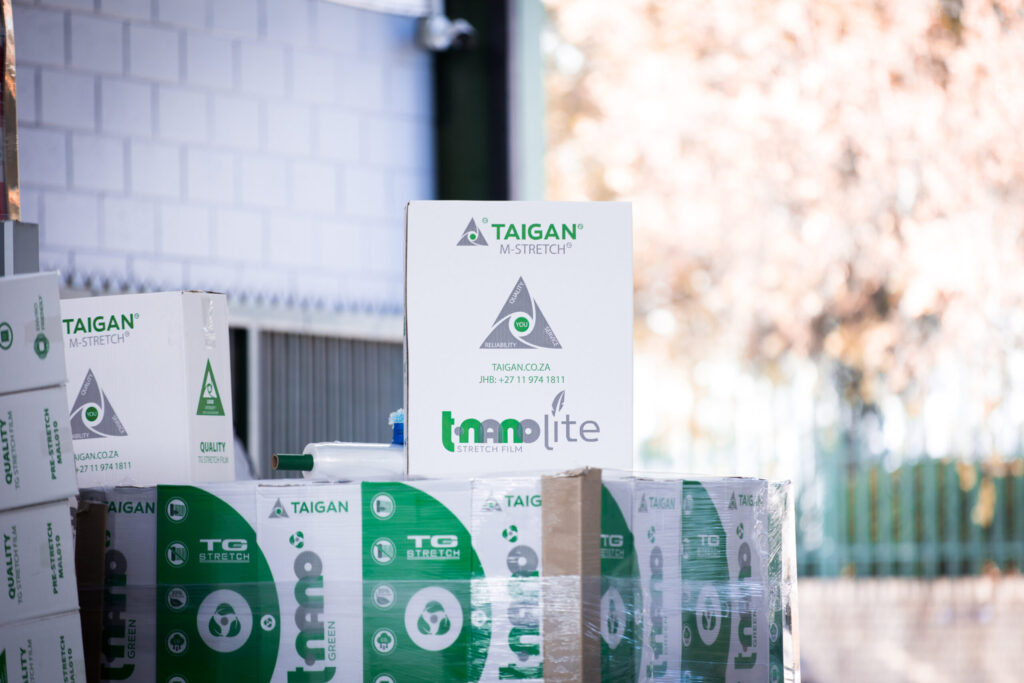
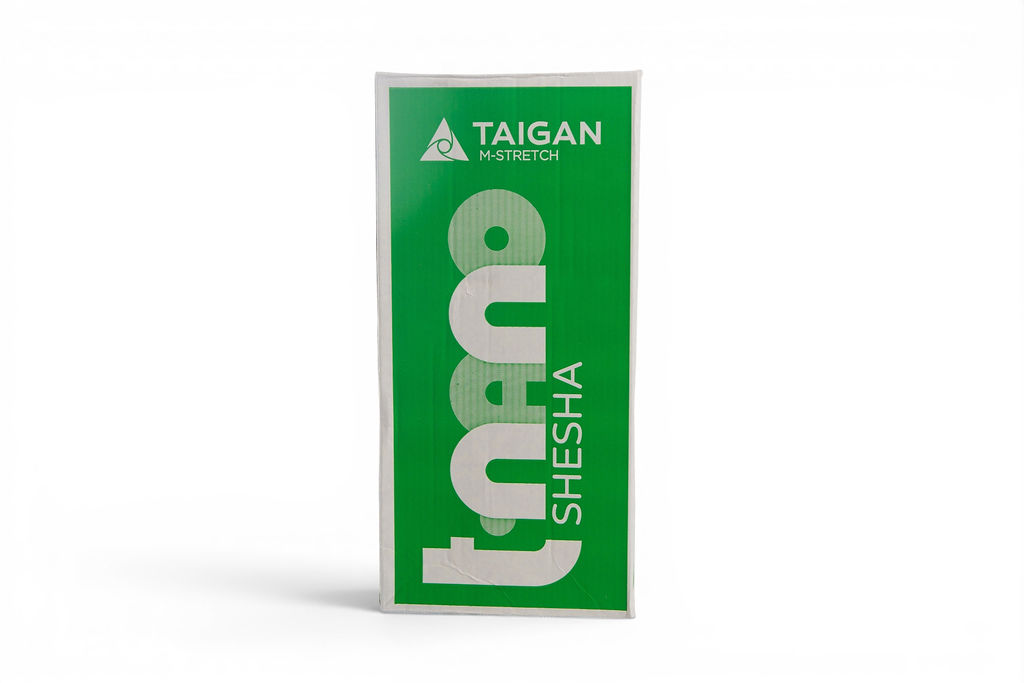
Taigan M-Stretch’s t.nano range includes 33-layer, 55-layer and 67-layer cast stretch film.
The multi-layer construction is designed to provide a combination of strength, stretchability and load stability.
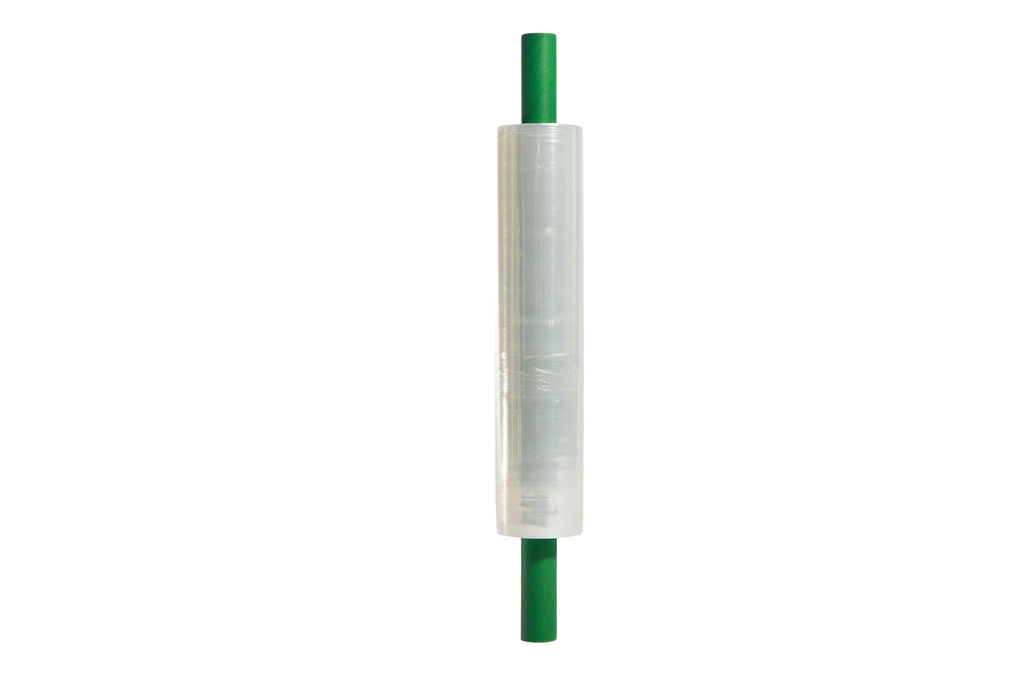
The t.nano range includes solutions for both hand wrapping and machine wrapping applications.
What Is Pallet Wrap? Hand Pallet Wrap
Hand wrapping is still widely used in warehouses and manufacturing environments.
It can be particularly useful where:
- Pallets are produced in smaller quantities
- Loads vary significantly
- Wrapping areas are spread throughout a facility
- Automation is not practical
- Flexibility is required
Hand wrapping gives operators direct control over the wrapping process.
However, operator technique can have a significant effect on the final result.
What Is Pallet Wrap? Why Operator Training Matters
Two operators can use the same roll of pallet wrap and produce different results.
One may apply the film consistently while another may use excessive material or fail to provide sufficient containment.
Training helps create a more consistent process.
Operators can be trained to understand:
- How the film should be applied
- How much film is appropriate
- How to approach different loads
- How to identify unstable pallets
- How to avoid unnecessary material usage
For companies wrapping hundreds or thousands of pallets each month, consistency can make a significant difference.
Machine Pallet Wrapping
Larger operations may use semi-automatic or fully automated pallet wrapping equipment.
Machine wrapping can provide a more controlled and repeatable process.
It can also help businesses process high volumes of pallets efficiently.
However, machine wrapping requires film that is suitable for the equipment and application.
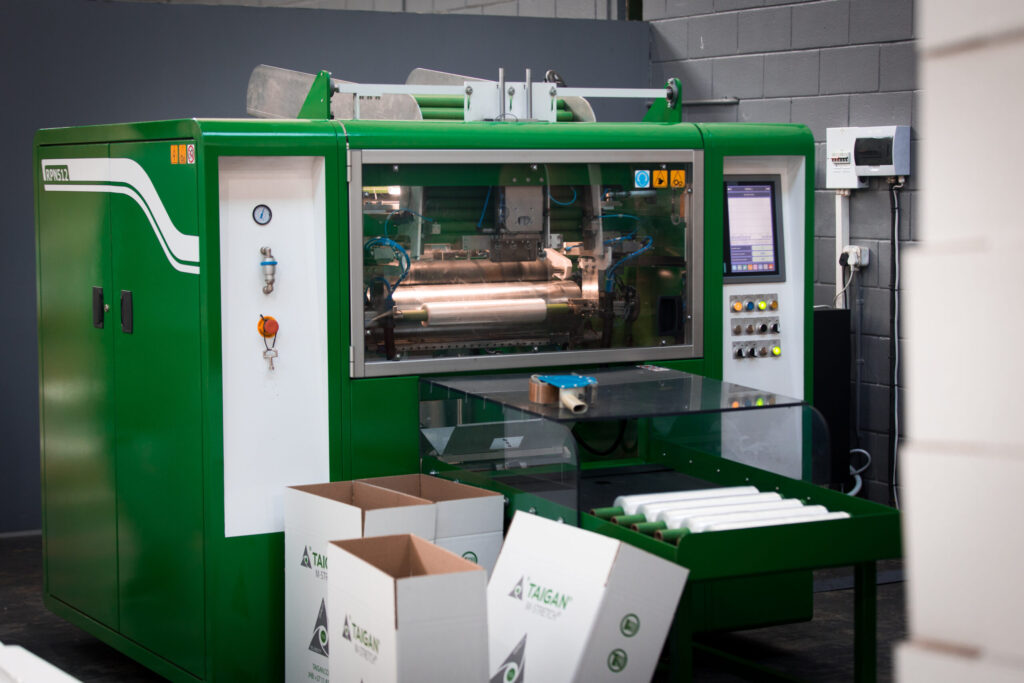
Taigan M-Stretch’s t.nano machine rolls are designed for semi-automatic and automated wrapping applications.
Correct equipment settings and appropriate film selection are both important for achieving consistent results.
How Much Pallet Wrap Should You Use?
There is no universal amount of pallet wrap that is correct for every pallet.
The amount required depends on factors such as:
- Load size
- Product weight
- Product shape
- Pallet configuration
- Film characteristics
- Wrapping equipment
- Transport conditions
Using too little film may result in inadequate containment.
Using excessive film can increase material consumption and packaging costs without necessarily improving load stability.
The goal is to find the right balance.
Why More Film Does Not Always Mean a Better Pallet
A common misconception is that adding more layers of stretch film automatically creates a stronger pallet.
In reality, packaging performance depends on the entire wrapping process.
A high-performance film applied correctly may provide excellent containment without requiring excessive material.
Conversely, adding more layers to an inefficient wrapping process may simply increase film consumption.
This is why packaging optimisation is important.
What Is Packaging Optimisation?
Packaging optimisation means finding the most effective way to protect and secure a product while using packaging materials efficiently.
What Is Pallet Wrap? For pallet wrapping this may involve reviewing:
- Film selection
- Wrapping patterns
- Film consumption
- Operator techniques
- Machine settings
- Load configuration
- Finished pallet stability
The objective is not simply to use less film.
The objective is to achieve the required performance without unnecessary material usage.
Yield Testing Can Improve Pallet Wrapping
Businesses often make assumptions about how much film they use.
Yield testing provides a more accurate picture.
A packaging specialist can assess how much film is being used on a pallet and compare this with the resulting load stability.
This can reveal opportunities to improve the wrapping process.
For example a business may discover that different shifts are using significantly different quantities of film to wrap similar loads.
That information can then be used to improve training and standardise the process.
Packaging Audits
A packaging audit looks at the wrapping process in detail.
It may examine:
- The products being wrapped
- The pallet configuration
- The film being used
- The wrapping method
- The equipment
- Film consumption
- Load stability
This approach helps businesses identify the cause of packaging problems rather than simply treating the symptoms.
Common Pallet Wrapping Problems
Understanding common problems can help businesses improve their wrapping processes.
What Is Pallet Wrap? Unstable Loads
If products move during transportation the load may not have sufficient containment.
This could be related to film selection, application technique or the load itself.
What Is Pallet Wrap? Excessive Film Usage
If large quantities of film are being consumed it may indicate that the wrapping process has not been optimised.
What Is Pallet Wrap? Inconsistent Wrapping
Different operators may apply film differently which can result in inconsistent pallet performance.
What Is Pallet Wrap? Film Breakage
Film can break when the application is not suited to the load or when the film encounters sharp edges or excessive stress.
What Is Pallet Wrap? Poor Load Configuration
Even high-quality stretch film cannot completely compensate for an incorrectly configured pallet.
The products themselves need to be stacked appropriately before wrapping begins.
What Is Pallet Wrap? Pallet Configuration Matters
The wrapping process starts before the film is applied.
Products should be positioned securely on the pallet where possible.
A poorly arranged load can create gaps, overhangs or unstable sections that make containment more difficult.
Good pallet preparation therefore works together with effective wrapping.
Think of it as a system:
Product arrangement + pallet + stretch film + application = load stability
Each component contributes to the final result.
What Is Pallet Wrap and How Pallet Wrap Helps During Transportation
Transportation can expose pallets to vibration, acceleration and sudden movement.
Vehicles may travel over uneven roads and pallets may be handled several times during loading and unloading.
Pallet wrap helps maintain the relationship between the products throughout this process.
Stable loads can make handling easier and reduce the likelihood of products shifting during transit.
For businesses distributing goods nationally this becomes especially important because pallets may travel considerable distances before reaching their destination.
What Is Pallet Wrap? Pallet Wrap and Warehouse Safety
Packaging can also contribute to safer warehouse operations.
Unstable pallets can present handling challenges for forklift operators and warehouse personnel.
Products that move unexpectedly may become difficult to handle.
Secure loads provide greater predictability when pallets are being moved or stored.
However, pallet wrap should always be considered one part of a wider warehouse safety process.
Correct pallet construction, appropriate handling equipment and trained personnel remain essential.
Improving Packaging Efficiency
Businesses looking to improve their pallet wrapping process can start with a simple review.
Measure Current Usage
Find out how much film is being used per pallet.
Review Wrapping Techniques
Observe how operators or machines apply the film.
Check Load Stability
Examine pallets after wrapping and during handling.
Evaluate the Film
Determine whether the current film is suitable for the application.
Train Operators
Make sure everyone follows a consistent process.
Test the Results
Use yield testing and packaging assessments to measure improvements.
This creates a practical approach to continuous packaging improvement.
The Role of a Packaging Specialist
Choosing pallet wrap does not always need to be a simple purchasing decision.
A packaging specialist can help businesses understand the relationship between film performance and the wrapping process.
This can include:
- Product selection
- Packaging assessments
- Yield testing
- Operator training
- Wrapping optimisation
- Technical support
The aim is to find a solution that works in the customer’s actual environment.
Taigan M-Stretch and Pallet Wrapping
Taigan M-Stretch has focused on cast stretch film and packaging optimisation since its establishment in 2005.
The company operates according to its Triangle of Trust: Quality, Service and Reliability.
Its t.nano range includes 33-layer, 55-layer and 67-layer cast stretch film for different hand and machine wrapping applications.
Beyond supplying stretch film, Taigan M-Stretch also works with customers on packaging assessments, yield testing and training to help improve wrapping performance.
Responsible Use of Packaging Materials
Efficient packaging is also about making better use of materials.
Using more packaging than necessary can create additional material consumption and unnecessary waste.
Optimising the wrapping process allows businesses to focus on achieving the required level of load stability without automatically increasing film usage.
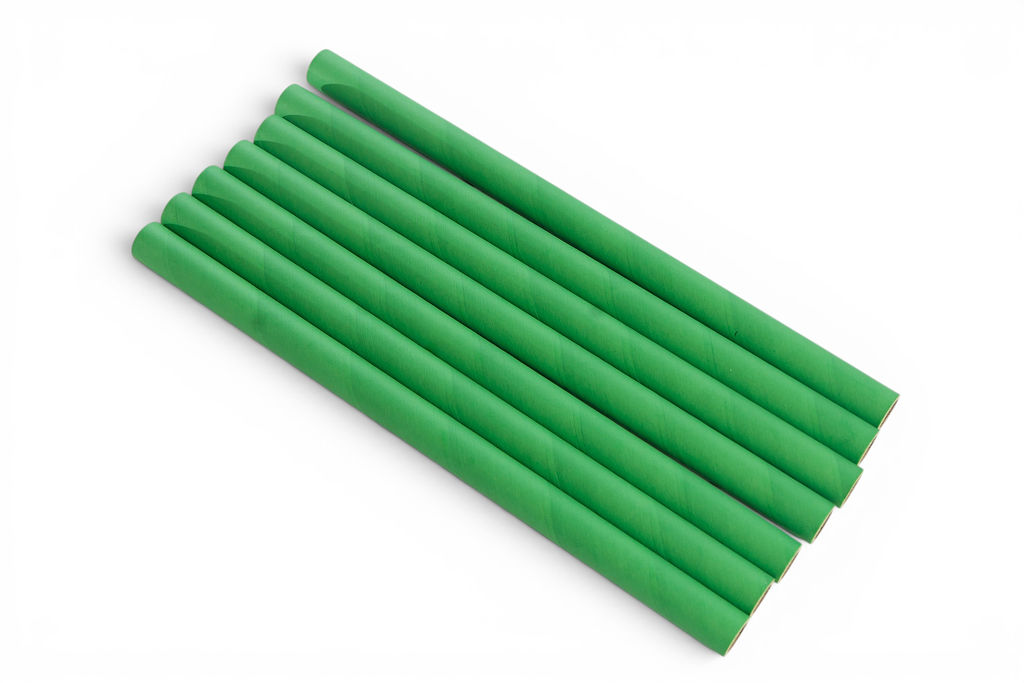
Taigan M-Stretch also operates a core swop programme that allows used green cores to be collected and reused.
The t.nano range includes products containing 30% post-recyclable content according to Taigan’s product information.
These initiatives form part of the company’s wider approach to packaging efficiency and material responsibility.
What Is Pallet Wrap and What Should You Look for in Pallet Wrap?
When evaluating a pallet wrap product consider:
Strength
Can the film withstand the demands of the application?
Stretch
Can it stretch effectively around the load?
Load Containment
Does it provide sufficient holding force?
Consistency
Does the film perform reliably from pallet to pallet?
Application
Is it suitable for hand or machine wrapping?
Overall Value
Does the film provide the required performance at an appropriate overall packaging cost?
These factors provide a more useful basis for comparison than price alone.
Frequently Asked Questions about What Is Pallet Wrap?
What is pallet wrap?
Pallet wrap is a stretchable plastic film used to secure products together on pallets. It helps provide load containment during storage, handling and transportation.
Is pallet wrap the same as stretch film?
The terms are commonly used interchangeably. Stretch film describes the material while pallet wrap describes one of its primary applications.
What is pallet wrap made from?
Stretch film is generally made from linear low-density polyethylene or LLDPE.
Can pallet wrap be used by hand?
Yes. Hand wrapping is widely used for palletised products and is particularly useful where flexibility is required.
Can pallet wrap be used with machines?
Yes. Machine-grade stretch film is designed for semi-automatic and automated wrapping equipment.
Should I use more pallet wrap for heavier loads?
Not necessarily. The appropriate amount depends on the load, film characteristics and wrapping process. Using more film does not automatically guarantee better load stability.
Final Thoughts about What Is Pallet Wrap
So what is pallet wrap?
At its simplest, it is a stretchable packaging film used to secure products on pallets. But its role in modern logistics is much more significant than that simple definition suggests.
The right pallet wrap can contribute to load stability, product protection and efficient warehouse operations. However, achieving the best result requires the correct combination of film, load configuration, wrapping technique and training.
For businesses that use large quantities of stretch film, understanding the wrapping process can also reveal opportunities to improve packaging efficiency and control unnecessary material usage.
Taigan M-Stretch’s t.nano cast stretch film range provides solutions for hand and machine wrapping applications while its packaging assessments, yield testing and training services help customers look beyond the product itself.
Ultimately, effective pallet wrapping is not about simply putting film around a pallet. It is about creating a stable load that can move safely and efficiently through the supply chain.