In today’s fast-moving packaging and logistics industries, businesses are frequently faced with a critical decision: should they use plastic or paper bags for their products? While paper is often viewed as more environmentally friendly, it presents significant challenges when used for packaging on a large scale, particularly in industrial and commercial applications.
At Taigan, a leading South African manufacturer, recycler, and distributor of plastic or paper bags plastic packaging products, our focus is on offering solutions that balance sustainability, cost-efficiency, and durability. In this guide, we explore the differences, advantages, and limitations of plastic or paper bags, helping businesses make informed packaging decisions.
1. Material Efficiency: plastic or paper bags
When comparing plastic or paper bags, material efficiency is a major consideration.
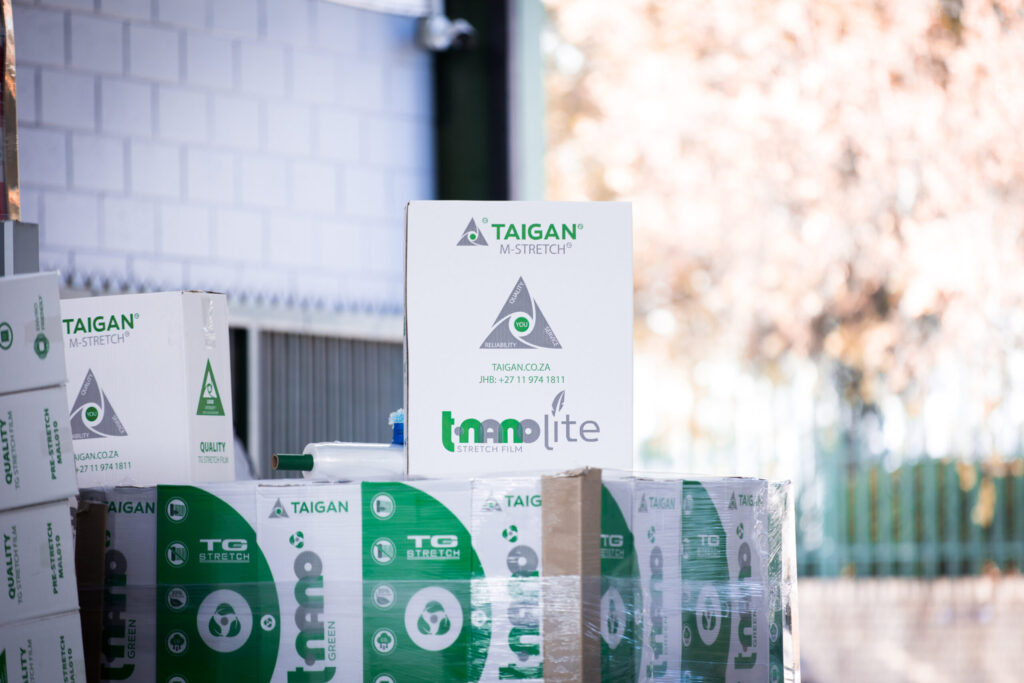
Plastic packaging, including stretch films, pallet wraps, and bags, is extremely material-efficient. It requires significantly less raw material to achieve the same level of strength and protection as paper. For example, using paper for pallet wrapping or large-scale packaging often requires 5 to 10 times more material than plastic.
This higher material requirement not only increases production costs but also affects transportation logistics. Heavier loads mean higher shipping costs and increased carbon emissions.
By contrast, Taigan’s plastic packaging products are designed to deliver maximum strength with minimal material use, offering both economic and environmental benefits.
2. Durability and Performance

Durability is another area where plastic or paper bags differ significantly:
- Plastic bags and films are highly resistant to tearing, puncturing, and moisture. This makes them ideal for protecting goods during long transportation routes, in warehouses, and in varying weather conditions.
- Paper bags, while renewable, have lower impact and water resistance. They can easily tear or weaken when exposed to moisture, high humidity, or uneven load surfaces, increasing the risk of product damage.
Industries such as food and beverage, logistics, and manufacturing benefit from the superior protective properties of plastic packaging, which ensures products remain stable and intact from production to delivery.
3. Application Speed and Operational Efficiency
Using plastic or paper bags also impacts operational efficiency.
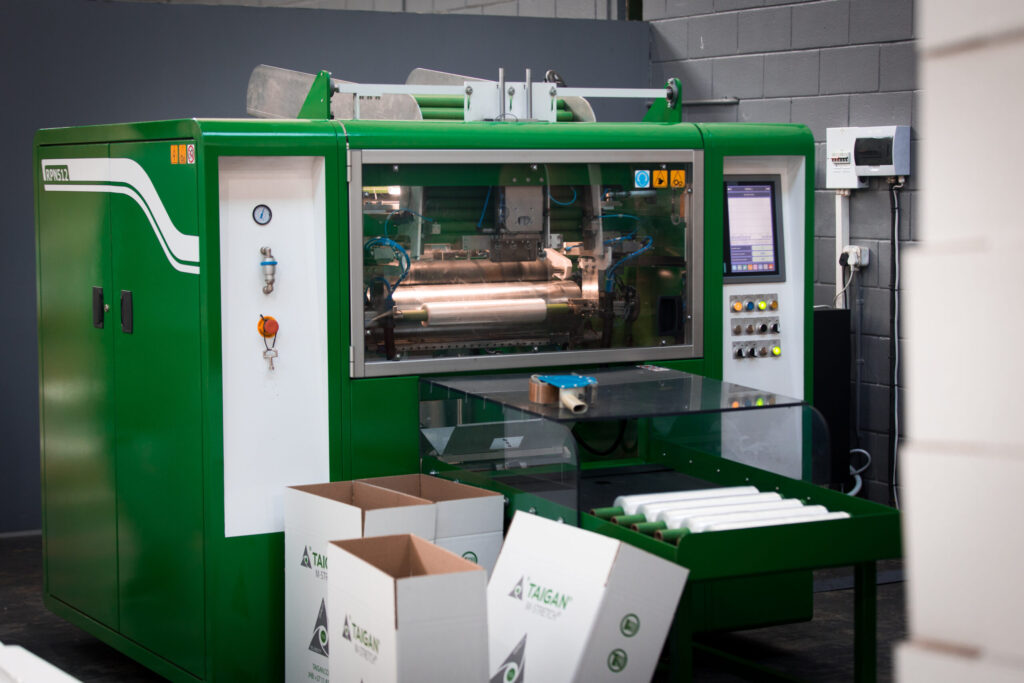
Plastic packaging can be applied quickly with manual or machine systems. Stretch films, shrink films, and plastic bags can be deployed efficiently, reducing labour costs and speeding up packing lines.
Paper packaging, however, is slower to apply, especially in large-scale operations. Manual wrapping with paper requires more time, more material, and sometimes additional coatings to improve water resistance, which can complicate the process.
Taigan’s solutions are engineered for both speed and consistency, allowing businesses to optimize productivity while maintaining packaging quality.
4. Environmental Considerations

Environmental impact is often the main reason companies consider switching to paper. Paper is renewable and biodegradable, but its environmental advantages are sometimes overstated:
- Producing paper consumes more water and energy than producing plastic.
- Because paper is bulkier and heavier, transporting it generates higher CO₂ emissions.
- Paper packaging often needs coatings or laminates for durability, which can limit recyclability.
In comparison, responsibly manufactured plastic packaging products can be recyclable, lightweight, and highly durable. At Taigan, we integrate recycling and reprocessing into our production systems, producing plastic films and bags that minimize landfill waste while providing superior performance.
5. Climate Considerations in South Africa
The South African climate further complicates the use of paper packaging. In tropical and coastal regions, high humidity and rainfall can compromise paper’s structural integrity. Without water-resistant coatings, paper packaging quickly loses effectiveness, leading to:
- Wasted materials
- Increased product damage
- Higher operational costs
Plastic packaging, by contrast, maintains performance across diverse climates, making it a more practical choice for businesses operating nationwide.
6. Applications for Plastic or Paper Bags

Plastic Bags
- Retail and grocery packaging
- Industrial pallet wrapping
- Food and beverage distribution
- E-commerce packaging
- Medical and pharmaceutical transport
Paper Bags
- Retail and boutique packaging
- Light-duty product wrapping
- Promotional or gift packaging
While paper may be suitable for smaller-scale retail or marketing purposes, plastic packaging products remain superior for logistics, industrial, and large-volume applications.
7. Innovations in Sustainable Packaging
At Taigan, we are committed to sustainability without compromising performance. Our innovations include:
- Recyclable plastic bags and films
- Reduced-thickness stretch films for pallet wrapping
- Reprocessed materials that maintain quality while minimizing environmental impact
These advancements allow companies to meet sustainability goals while still taking advantage of the efficiency, durability, and cost-effectiveness of plastic packaging.
Conclusion
Choosing between plastic or paper bags requires a balance of sustainability, cost, durability, and operational efficiency. While paper offers renewable material advantages, it often falls short in large-scale applications due to high material use, lower durability, and climate vulnerabilities.
Taigan Packaging offers a wide range of plastic packaging products, including stretch films, pallet wraps, and plastic bags, designed to provide safe, reliable, and environmentally responsible solutions for businesses across South Africa. By choosing optimized plastic packaging, companies can protect their products, reduce waste, and maintain cost-efficiency without sacrificing sustainability.