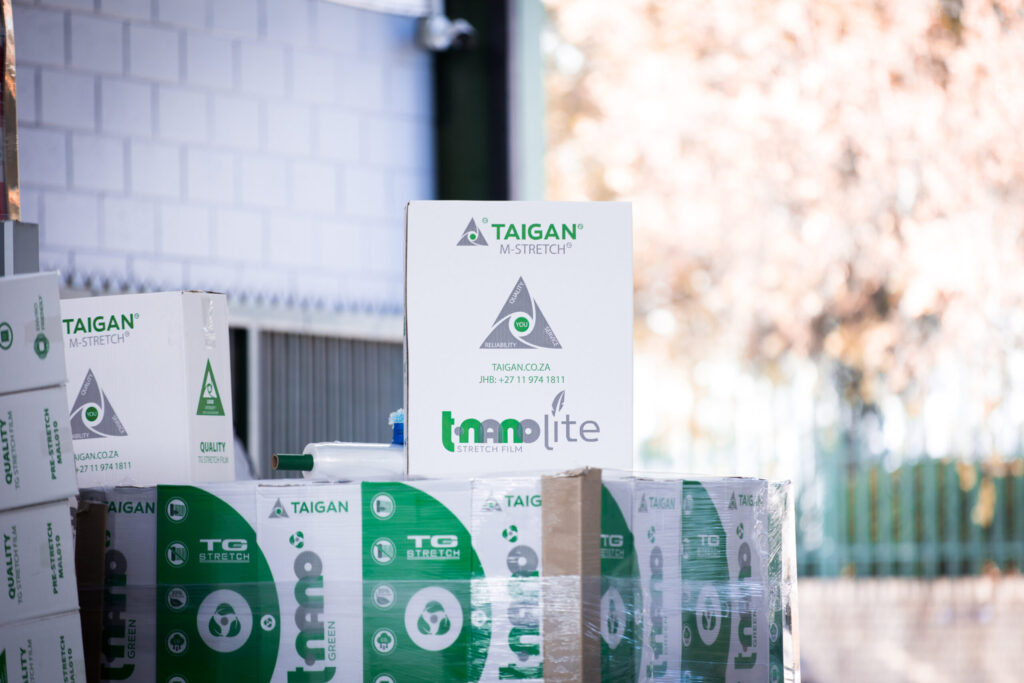
The packaging of waste disposal has become an increasingly important topic in South Africa as businesses face growing responsibilities regarding the products and packaging they place into the market. With a population exceeding 59 million people, the pressure on waste management systems continues to increase, making responsible packaging practices more important than ever.
Packaging plays a critical role in protecting products, enabling transportation, and supporting supply chains. However, once packaging has served its purpose, it enters the waste stream. This creates a challenge for businesses, regulators, and consumers alike. As a result, legislation such as Extended Producer Responsibility (EPR) has been introduced to help address the long-term management of packaging waste.
Understanding the relationship between the packaging of waste disposal, packaging efficiency, and EPR compliance is now essential for companies operating across South Africa.
Why Packaging Waste Has Become a Major Concern
Modern economies depend heavily on packaging. Whether products are transported across cities, provinces, or international borders, packaging helps ensure that goods arrive safely and in good condition.
However, increasing population growth and economic activity also result in higher volumes of packaging entering the waste stream.
Some of the challenges associated with packaging waste include:
- Growing landfill pressure
- Increased waste management costs
- Environmental management requirements
- Regulatory compliance obligations
- Resource recovery challenges
These challenges have encouraged governments around the world to introduce regulations that promote greater accountability throughout the packaging lifecycle.
What Is Extended Producer Responsibility (EPR)?
One of the most important developments affecting the packaging of waste disposal is the implementation of Extended Producer Responsibility (EPR).
EPR is a regulatory framework that places responsibility on producers for the packaging they introduce into the market. This includes responsibility for managing packaging materials after they have been used by consumers.
Under EPR, responsibility extends beyond manufacturing and distribution to include the post-consumer stage of the packaging lifecycle.
This means producers must take steps to ensure that packaging is managed responsibly after use.
EPR in South Africa

South Africa introduced mandatory Extended Producer Responsibility regulations on 5 May 2021 under Section 18 of the National Environmental Management Waste Act (NEMWA).
The purpose of these regulations is to improve waste management outcomes and create greater accountability throughout the packaging value chain.
The regulations apply to various stakeholders involved in producing and supplying packaged products, including:
- Brand owners
- Manufacturers
- Importers
- Converters
- Retailers
These entities are collectively regarded as producers under the regulations.
Why EPR Matters for Businesses
The introduction of EPR has fundamentally changed how businesses approach the packaging of waste disposal.
Instead of viewing packaging responsibilities as ending when a product is sold, businesses must now consider the entire packaging lifecycle.
Benefits of effective EPR participation include:
- Improved regulatory compliance
- Better waste management outcomes
- Enhanced operational accountability
- Improved packaging efficiency
- Reduced long-term waste management risks
Businesses that understand these obligations are better positioned to meet current and future compliance requirements.
Key Compliance Requirements for Producers
Companies operating within the South African packaging sector need to understand several important obligations.
These include:
Registration Requirements
Producers must register with the Department of Forestry, Fisheries and the Environment (DFFE).
In addition, producers are required to participate in a Producer Responsibility Organisation (PRO), which manages EPR obligations on behalf of members.
Levy Contributions
Participating producers are required to pay applicable EPR levies based on the packaging materials they introduce into the market.
Monitoring and Reporting
Businesses must fulfil monitoring, reporting, and record-keeping obligations as outlined in the regulations.
Maintaining accurate reporting systems is essential for compliance.
Consequences of Non-Compliance

Failure to comply with EPR regulations can result in serious consequences.
These may include:
- Financial penalties
- Regulatory enforcement actions
- Legal consequences
- Reputational risks
This highlights the importance of understanding packaging obligations and implementing effective compliance strategies.
The Connection Between Packaging Efficiency and Waste Disposal
One of the most effective ways to address the packaging of waste disposal is by improving packaging efficiency.
Efficient packaging systems can help businesses:
- Reduce unnecessary material usage
- Improve load stability
- Minimise waste generation
- Lower packaging-related costs
- Improve operational performance
Packaging optimisation often provides both operational and compliance benefits.
Why Packaging Optimisation Matters
Many businesses focus only on purchasing packaging materials. However, packaging performance is often determined by how effectively those materials are used.
Packaging optimisation involves:
- Analysing current wrapping processes
- Conducting yield assessments
- Improving wrapping techniques
- Reducing unnecessary material consumption
- Enhancing load containment performance
This approach helps businesses achieve better packaging outcomes while supporting waste reduction objectives.
How Taigan Supports Packaging Efficiency

At Taigan M-Stretch, the focus is not simply on supplying products but on delivering integrated packaging solutions.
The company works closely with customers to:
- Analyse packaging challenges
- Conduct yield testing
- Evaluate packaging performance
- Identify opportunities for improvement
This solution-based approach helps customers optimise their packaging systems rather than simply increasing material consumption.
Training and Packaging Performance
One of the most important aspects of reducing packaging waste is ensuring that products are applied correctly.
Taigan provides training programmes that help customers:
- Improve wrapping consistency
- Reduce unnecessary material use
- Optimise load stability
- Improve packaging efficiency
Proper training often results in measurable reductions in packaging waste and operational costs.
Reducing Costs Through Better Packaging Practices
EPR levies introduce additional costs associated with packaging materials.
As a result, many businesses are looking for ways to improve efficiency without compromising packaging performance.
Packaging optimisation can contribute to:
- Lower material consumption
- Improved pallet yields
- Reduced packaging costs
- Better operational efficiency
These improvements support both financial and compliance objectives.
Core Recovery and Reuse Programmes
Taigan’s core recovery initiative helps maximise the use of packaging components.
Through the use of flow bins, customers can return used green cores for reuse.
Benefits include:
- Improved workplace organisation
- Reduced floor clutter
- Better space utilisation
- Extended core usage cycles
This programme supports more efficient packaging operations while reducing unnecessary waste.
Supporting ESG Objectives
Many organisations now operate under Environmental, Social and Governance (ESG) frameworks.
Packaging plays an increasingly important role in helping businesses achieve their ESG goals.
Effective packaging management can contribute to:
- Improved operational accountability
- Better resource utilisation
- Reduced waste generation
- Stronger compliance performance
Packaging optimisation has therefore become an important component of broader business sustainability strategies.
The Future of Packaging Waste Management
The future of the packaging of waste disposal will likely involve greater accountability, improved reporting requirements, and increased focus on packaging efficiency.
Businesses that proactively improve packaging performance today will be better prepared for future regulatory and operational demands.
Areas expected to receive greater attention include:

- Packaging optimisation
- Waste reduction strategies
- Resource recovery programmes
- Lifecycle management
- Compliance monitoring
Final Thoughts
The packaging of waste disposal is no longer simply a waste management issue—it is a business responsibility that affects compliance, operational efficiency, and long-term performance.
With EPR regulations now firmly established in South Africa, businesses must take a proactive approach to managing packaging throughout its lifecycle.
Through packaging optimisation, training, yield testing, and integrated packaging solutions, companies can improve efficiency while meeting important compliance requirements.
By focusing on smarter packaging practices and responsible waste management strategies, businesses can reduce costs, improve operational performance, and better navigate South Africa’s evolving packaging landscape.